
Politics
When Deep Political Wounds Heal: How Erhiatake Ibori-Suenu, Ben Igbakpa Reconciliation Could Reshape Ethiope Politics

By Kparobo Ehvwubare
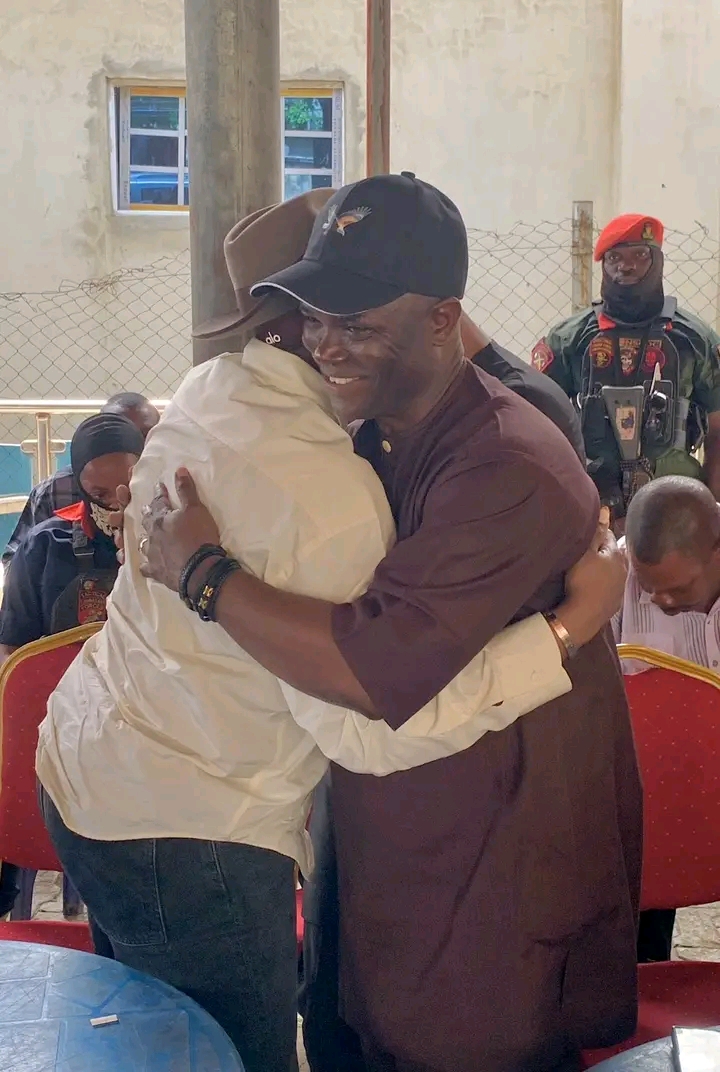
The recent reconciliation move between incumbent House of Representatives member, Erhiatake Ibori-Suenu, and immediate past federal lawmaker, Ben Rollands Igbakpa, may gradually emerge as one of the most significant political healing processes in Delta State politics ahead of future elections.
For nearly three years, political tensions arising from the 2023 House of Representatives primaries cast shadows across the political landscape of Ethiope Federal Constituency. The contest left supporters divided, strained long-standing relationships, and created deep cracks within the political family.
But the Sapele Political fence mending meeting suggest that both leaders may now be choosing reconciliation over rivalry and unity over prolonged political hostility.
Erhiatake Ibori-Suenu’s Reconciliation Move Signals Political Maturity
Having listening to Erhitake Ibori-Suenu presentations, I strongly believe Rt. Hon. Erhiatake Ibori-Suenu’s decision to openly seek peace with Ben Rollands Igbakpa was driven by a broader understanding that sustainable political success can only thrive in an atmosphere of unity.
In what many described as a rare display of humility in Nigerian politics, Erhitake Ibori-Suenu delivered remarks filled with remorse, sincerity, and genuine intentions to heal the wounds created since the 2023 primaries.
Her willingness to apologise for misunderstandings and political bitterness immediately changed the tone of the conversation within the constituency.
In Nigerian politics, where ego often fuels prolonged division, such reconciliation efforts are increasingly viewed as signs of strategic leadership rather than weakness.
Ben Rollands Igbakpa Chooses Peace Over Political Retaliation
On his part, Rt. Hon. Ben Rollands Igbakpa after listening to Erhitake Ibori-Suenu remarks responded with calmness and statesmanship, refusing to inflame old political tensions.
Instead, he embraced the path of peace and political understanding, stating that he would not stand against whatever the sister constituency, Ethiope East, decides to cede to Ethiope West, where both political leaders originate.
That position has been widely interpreted as a major sacrifice capable of stabilising the political structure within Ethiope Federal Constituency.
For stakeholders, Igbakpa’s response reflected political maturity and a willingness to prioritise collective progress over personal grievances.
Nigerian Politicians Who Reconciled and Became Stronger
Nigeria’s political history is filled with examples of politicians who embraced reconciliation after fierce political disagreements and eventually became stronger both personally and politically.
One notable example is the reconciliation between Bola Ahmed Tinubu and Rauf Aregbesola. Despite periods of political friction within the progressive camp, reconciliation efforts helped preserve political influence and maintain party stability in the South-West.
Another example was the political rapprochement between Nyesom Wike and Peter Odili after years of political misunderstanding in Rivers State politics. Their eventual reconciliation reduced factional tensions and strengthened their political structures.
Likewise, Bukola Saraki and Abdulfatah Ahmed eventually rebuilt political understanding after disagreements that once threatened their political camp in Kwara State.
These examples underline one reality in Nigerian politics: reconciliation often preserves political relevance longer than endless internal conflict.
Why James Ibori Could Become Key to Lasting Political Peace
For me, the healing process may become more effective if former Delta State Governor, James Ibori, eventually becomes directly involved in the reconciliation process.
As the father of Erhiatake Ibori-Suenu and one of the most influential political figures in Delta State, James Ibori’s participation could deepen trust and solidify the peace process.
Stakeholders is of the opinion that a direct rapprochement between Chief James Ibori and Hon. Ben Rollands Igbakpa may help completely extinguish lingering political grievances from the 2023 contest.
How Erhiatake Ibori-Suenu Can Bring James Ibori, Ben Igbakpa Together
To sustain the current reconciliation momentum, political stakeholders believe Erhiatake Ibori-Suenu can play several strategic roles.
She can initiate private dialogue between Chief James Ibori and Hon. Ben Rollands Igbakpa away from media attention and political pressure. Quiet negotiations often produce stronger political healing than public meetings.
She can also encourage joint political consultations, constituency engagements, and stakeholder interactions involving both camps to gradually rebuild trust among followers.
Equally important is the need for loyalists on both sides to stop inflammatory rhetoric capable of reopening healed wounds. Political reconciliation succeeds faster when followers align with the peaceful direction chosen by their leaders.
Many stakeholders also believe Chief James Ibori can play a fatherly role by creating an atmosphere of accommodation, inclusion, and mutual respect capable of reuniting political interests within Ethiope Federal Constituency.
What Ethiope Federal Constituency May Benefit
For many residents and stakeholders, the reconciliation between Erhiatake Ibori-Suenu and Ben Rollands Igbakpa goes beyond individual political interests.
There is growing belief that a united political front could strengthen representation, improve stakeholder cooperation, and create better political stability within the constituency ahead of future electoral cycles.
Ultimately, politics remains temporary, but goodwill, relationships, and legacy endure much longer.
The ongoing reconciliation process in Ethiope Federal Constituency may yet become a major example of how political wounds can heal when leaders place peace, unity, and collective progress above ego and prolonged rivalry.
Kparobo Ehvwubare is the Federal Ward 11 APC Chairman, writes from Oghara-Delta State.