
Opinion
The Implication of Ovie Omo-Agege’s Explosive Signals at Delta Stakeholders’ Meeting

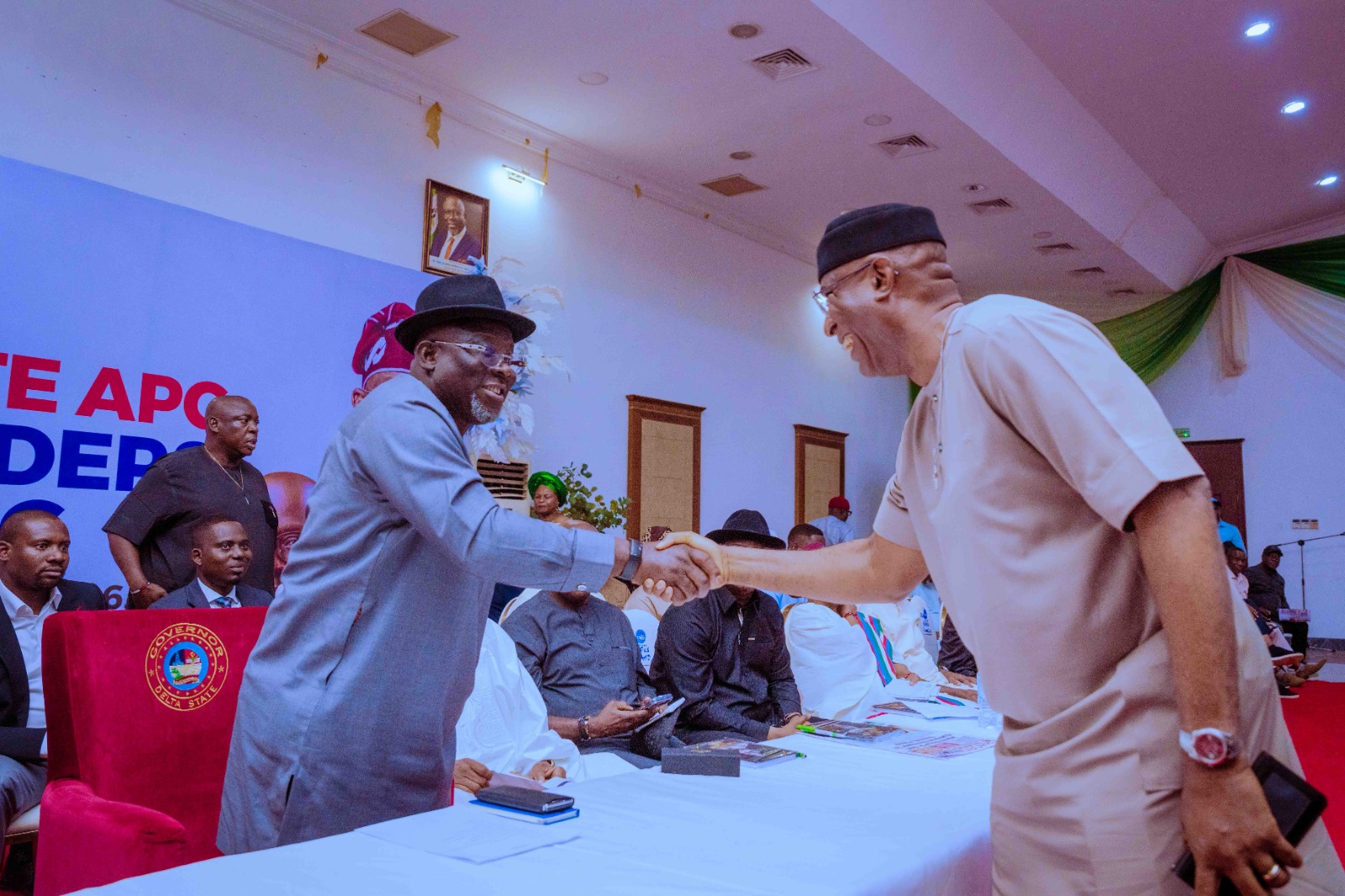
By all accounts, the Delta State stakeholders’ meeting held at the weekend was meant to project reconciliation and unity. Instead, it became another theatre of suppressed animosity, unspoken rivalries, and political signals too loud to ignore, largely driven by the posture and past words of former Deputy Senate President, Senator Ovie Omo-Agege.
Though his speech was framed around reconciliation, its undertone carried accusations, historical grievances, and subtle defiance that deepened existing fault lines within Delta’s political space.
“240,000 Votes Against the Governor”
One of the most striking moments came when Omo-Agege reminded the gathering that over 240,000 Deltans voted for him in the last governorship election. By his own interpretation, those votes were not merely for his candidacy but a direct rejection of Governor Sheriff Oborevwori.
The statement, though factual in electoral arithmetic, landed politically as a reminder that a sizable bloc within Delta consciously stood against the governor, an assertion that re-opened wounds many believed the meeting was meant to heal.
Reconciliation With Conditions
Omo-Agege argued that genuine reconciliation must come with rewards, insisting that Governor Oborevwori should deliberately accommodate and reward those who actively worked against him, even amid post-election legal battles.
To his supporters, this sounded like pragmatic politics. To others in the room, it appeared as a demand for compensation after defeat, a position critics said undermines the very essence of reconciliation built on loyalty and trust.
An 18-Year plus Political Grudge?
Perhaps the most revealing line of his speech was his declaration that he first came to Government House 18 years plus ago, a statement many interpreted as an admission of a long-standing political rivalry with the Delta political establishment.
Within political circles, this was widely read as a subtle confession: that his relationship with successive Delta administrations culminating into Oborevwori’s administration has been shaped more by confrontation, always on the opposing path than collaboration.
Body Language That Spoke Louder Than Mic
Beyond the speech itself, Omo-Agege’s conduct drew attention. Observers noted his deliberate refusal to exchange pleasantries with the State APC Chairman, Omeni Sobotie, even after Governor Oborevwori attempted to intervene. Party insiders described the snub as an act of arrogance and gross disrespect, especially within a forum meant to de-escalate tensions.
Equally controversial was his late arrival to the meeting, which several stakeholders privately described as a calculated display of disregard for constituted authority rather than a logistical mishap.
Campaign Rhetoric That Still Haunts
Although Omo-Agege avoided direct insults at the meeting, memories of the last electioneering season lingered. During the campaigns, he was widely reported to have used harsh and unflattering descriptors against then PDP candidate, Sheriff Oborevwori portraying him as unfit for leadership, a product of imposition, and a symbol of failed continuity.
While these characterisations formed part of aggressive campaign rhetoric, their echoes continue to shape mistrust within the current political realignment efforts.
Reading the Signs Early
History offers sobering lessons. In Delta and Nigerian politics more broadly reconciliation without strategic caution often precedes betrayal and animosity.
Based on past experiences:
Votes Are Not Loyalty
Electoral support does not automatically translate into post-election allegiance. Political actors who publicly remind a governor of how many votes they commanded often do so as leverage, not solidarity.
Delayed Courtesy Is Often Deliberate
Disrespect to party structures and symbolic authority, lateness, snubs, body-language politics are early indicators of unresolved ambition.
Reward Without Trust Is Risky
Appointing or empowering individuals who neither acknowledge defeat nor show remorse for divisive rhetoric has, in past experiences, resulted in internal sabotage.
Watch the Language of Entitlement
Calls to “reward those who worked against you” should be weighed carefully. Reconciliation should be inclusive, but governance must remain anchored on loyalty, competence, and shared vision.
Take home lesson
Senator Ovie Omo-Agege’s speech may have been couched in the language of reconciliation, but its substance revealed unfinished political battles and unresolved ambitions. For Governor Sheriff Oborevwori, the path forward requires balance open doors, yes, but with eyes wide open.
In Delta politics, history has shown that not every handshake is peace, and not every smile is loyalty.
Kparobo Ehvwubare is a good governance advocate cum Analyst writes from Delta State. Could be reach on Ehvwubareoghenekparobo@gmail.com